
Dump Truck Services Houston
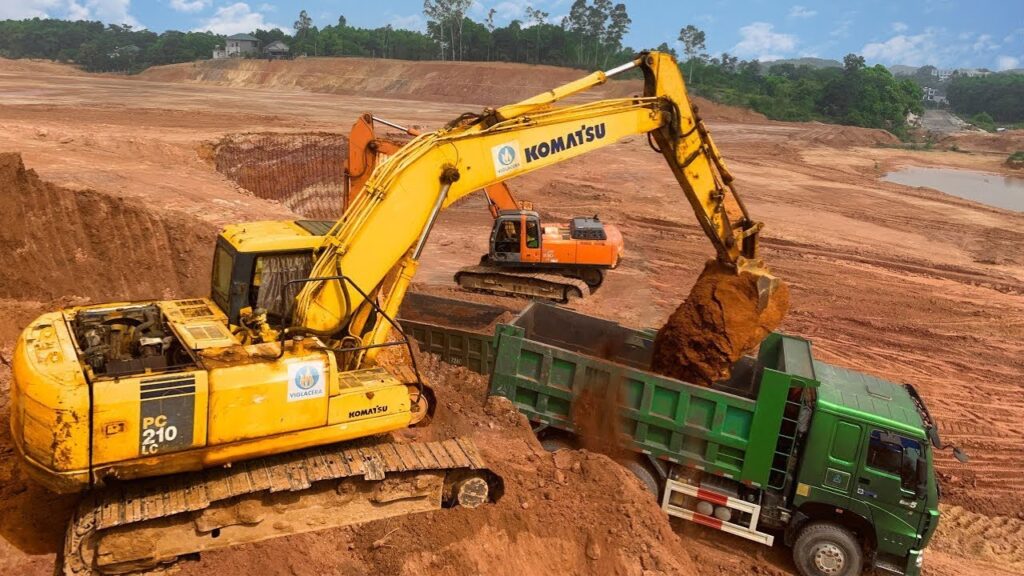
Understanding Dump Truck Types
Capacities, and Material Handling
Choosing the right hauling method is critical for keeping construction and site work projects on schedule and within budget. At KingHaul LLC, we help clients select the correct truck type, hauling configuration, and load specifications based on project requirements, material type, and job site conditions. Below is an overview of key factors customers should understand when scheduling dump truck services in Houston.
Understanding Dump Truck Types
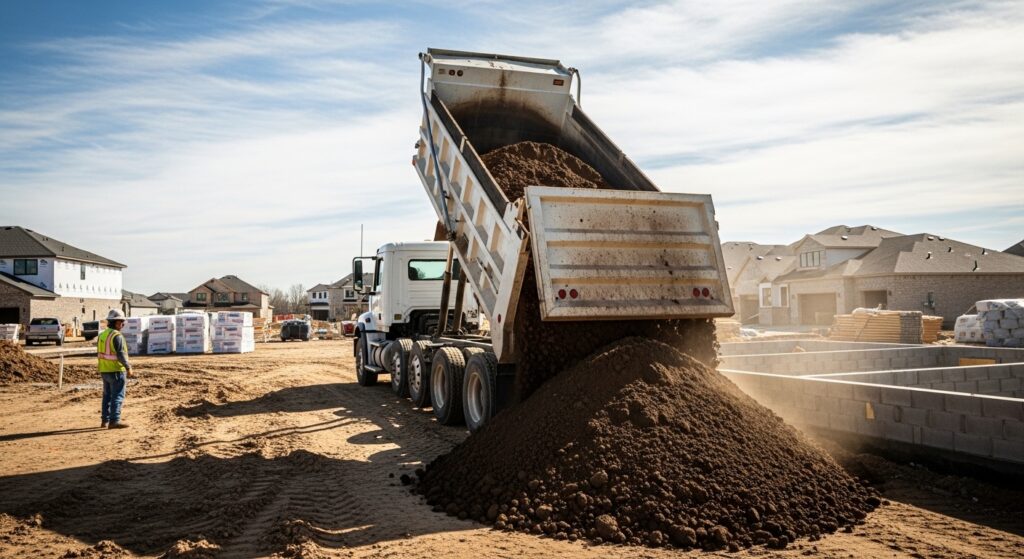
Tandem Dump Trucks
Tandem dump trucks are one of the most commonly used hauling vehicles in construction and site development projects throughout Houston. These trucks have two rear axles, allowing them to carry moderate load volumes while maintaining maneuverability in tighter job site conditions such as subdivisions, commercial developments, and residential properties. Tandem trucks are ideal for delivering fill material, sand, gravel, and debris removal when access or space is limited. Their versatility makes them a cost-effective and efficient option for many day-to-day hauling needs.
Understanding Dump Truck Types
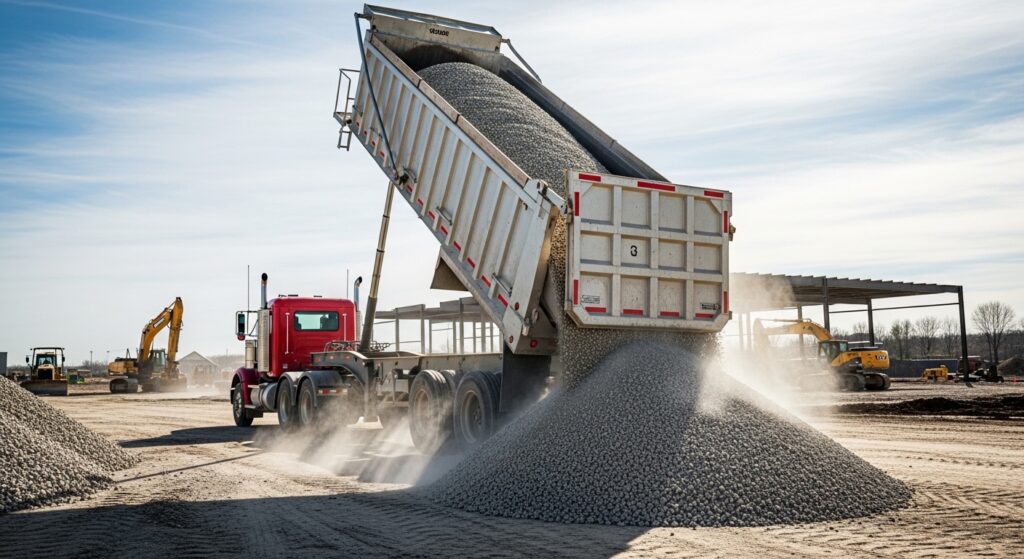
Dump Trailers
Dump trailers in Houston are typically pulled by truck tractors and are often used when additional hauling flexibility or specialized project needs arise. These trailers can transport a wide variety of materials and are commonly used when projects require longer haul distances or unique loading and unloading conditions. Dump trailers can provide increased capacity compared to smaller trucks while still allowing access to job sites that may not accommodate larger hauling equipment. They are frequently used for construction material delivery, debris removal, and bulk hauling operations.
Understanding Dump Truck Types
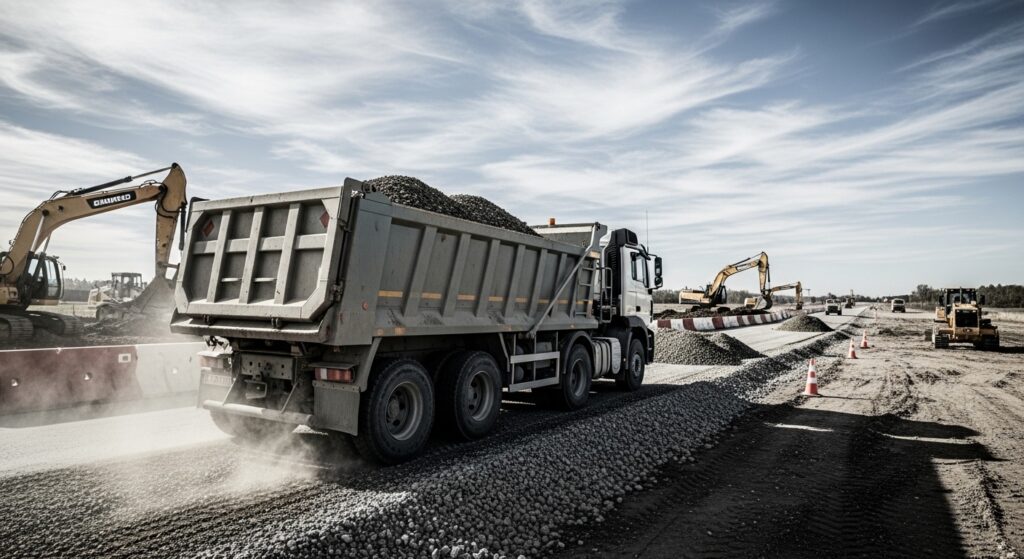
Super Dump Trucks
Super dump trucks are specialized hauling vehicles designed to carry significantly larger payloads compared to standard tandem dump trucks. These trucks utilize additional trailing axles that can be deployed to distribute weight more evenly, allowing them to transport higher material volumes while remaining compliant with transportation weight regulations. Super dumps are often used for large-scale construction, infrastructure projects, and bulk material delivery, where maximizing load efficiency reduces overall trucking costs and improves project productivity.
Load Capacities and Weight Considerations
Load capacity varies depending on truck type, axle configuration, and material being transported. Tandem dump trucks typically carry moderate load volumes, while super dump trucks and trailer combinations can transport significantly larger quantities. Weight regulations, job site safety, and road compliance standards must always be considered when determining load size. Overloading can create safety hazards, regulatory violations, and equipment damage. At Texas King Haul LLC, we help ensure loads are properly calculated and transported in compliance with industry standards and transportation laws.
Understanding Dump Truck Types
Loose vs. Compacted (Tight) Material Loads
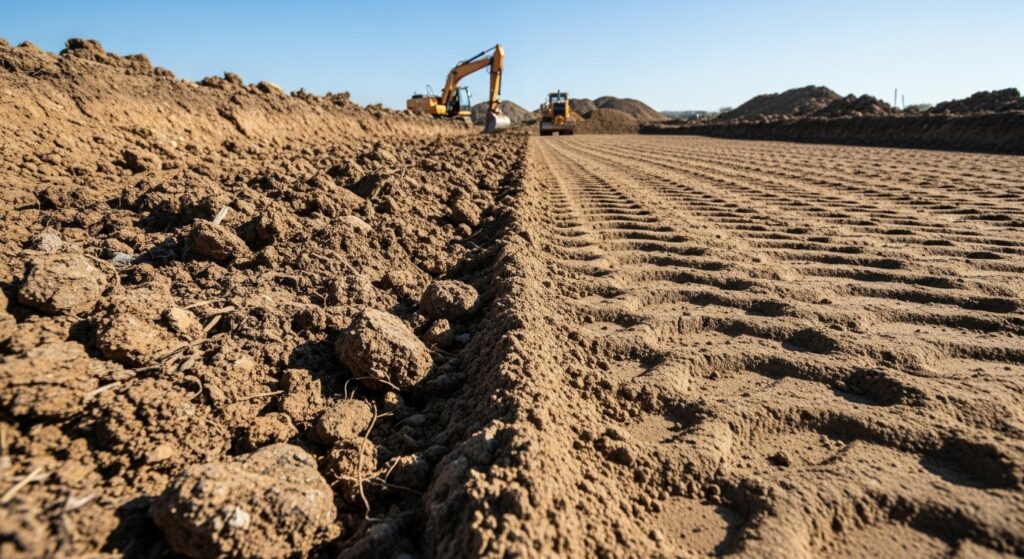
Material density can significantly impact hauling capacity and project planning. Loose material refers to soil, sand, or aggregate that has been freshly excavated or loaded without compaction. Loose material typically takes up more space but weighs less per cubic yard. Compacted or "tight" material has been compressed or naturally settled, increasing its weight and density. Understanding the difference between loose and compacted material is important because it affects load volume, transportation efficiency, and total project material estimates. Our team works with contractors and site managers to properly account for these variations when scheduling hauling services.